fbpx

Cookies settings

×

Functional Cookies

This site uses cookies to ensure its proper functioning and cannot be disabled from our systems. We do not use them for advertising purposes. If these cookies are blocked, some parts of the site will not work.

Measure of audience

This website uses cookies such as Google Analytics and Google Ads to measure and improve our website.

Interactive Content

This site uses third-party components, such as ReCAPTCHA, Google Maps, MailChimp or Calameo, which may place cookies on your machine. If you choose to block a component, the content will not be displayed.

Social Networks / Videos

Social network and video plug-ins, which use cookies, are present on this website. They allow us to improve the user-friendliness and promotion of the site through various social interactions.

Other cookies

This website uses a number of cookies to manage, for example, user sessions.

1909

Born in Saint-Josse-ten-Node, Brussels, December 26, to Alphonse Van Lint, originally from Hasselt, and Thérèse Amorison, a native of Hainault.

1921-1923

He studied the violin for two years.

At the end of elementary school, he received an award and a box with oil paint tubes from the mayor of Saint-Josse as a reward for a self-portrait he made, inspired by a drawing by Jacques Ochs (which Van Lint would later say marked the beginning of his painting career).
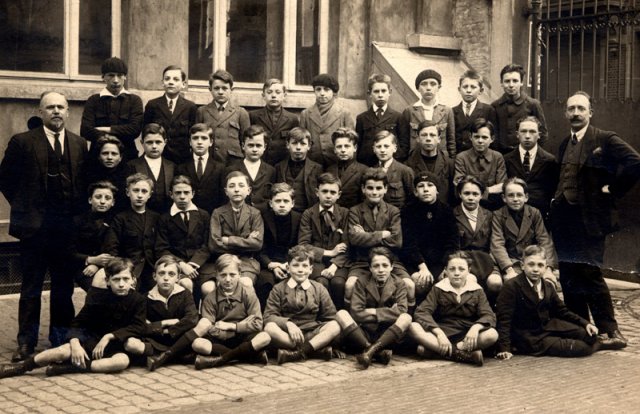


Helps his father in his construction and plastering business.

1924-1937

At fourteen, he enrolls in the Academy of Saint-Josse-ten-Node, studying drawing and painting courses mainly under the guidance of painters Henri Ottevaere and Jacques Maes.
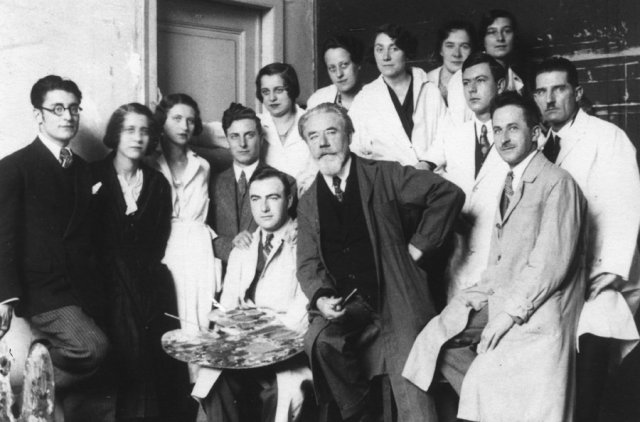


He also studied sculpture and architecture. Here he became friends with the painters Gaston Bertrand and Anne Bonnet, whom he met in 1936.

1934

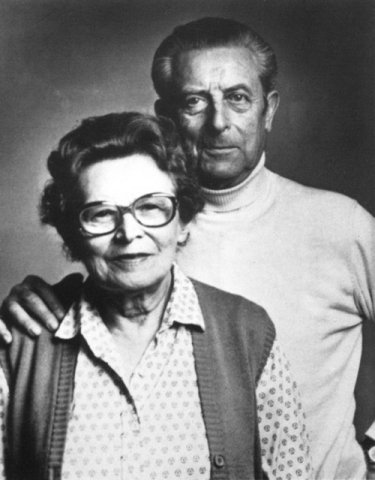
Married Marguerite Lutte, a young woman from Saint-Josse who he had known since childhood, and the couple moved to the rue de l'Union in Saint-Josse.


1935

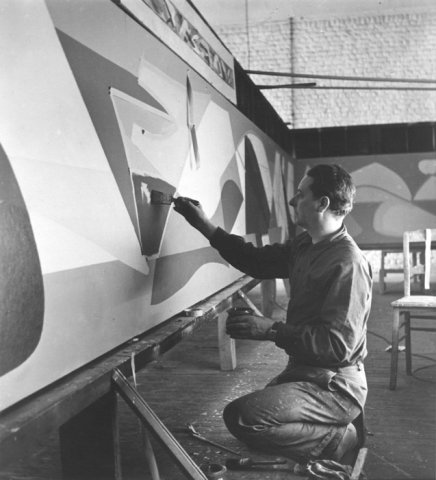
He created dioramas for the pavilion of the Belgian Congo at the Brussels World's Fair of 1935.

1936-1939

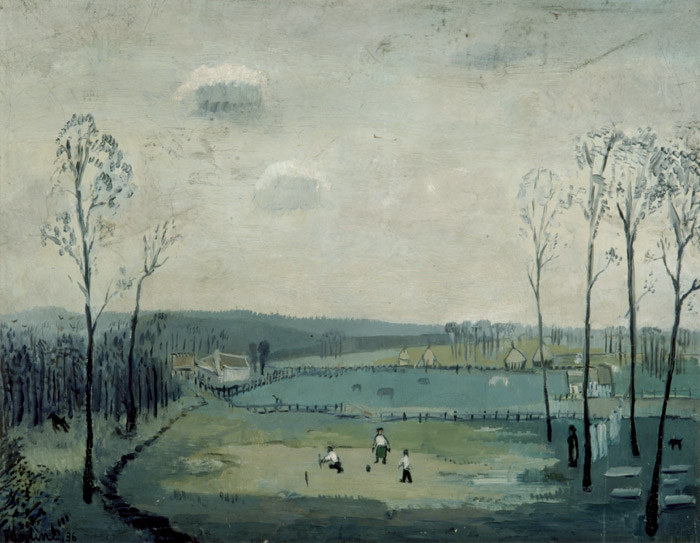
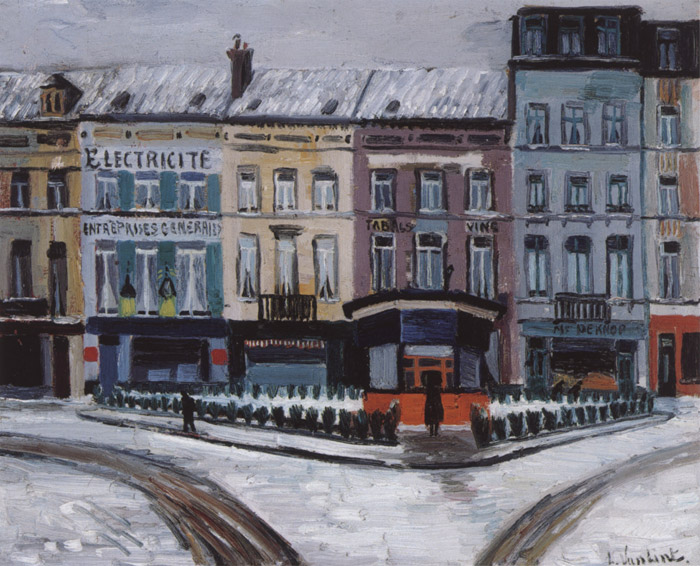
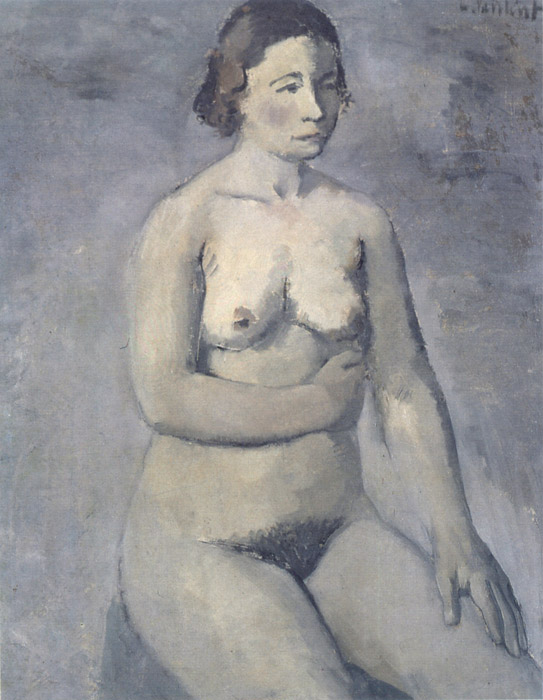
Painted interiors, landscapes like Sunday afternoon in Flanders (Dimanche après-midi en Flandre, 1936, Museum of Louvain-la-Neuve), views of Saint-Josse like Houwaert Square (Place Houwaert, Museum of Ostend), as well as portraits of his relatives and a few nudes like Seated nude (Nu assis, 1938).

Is invited to show his first paintings at the annual exhibitions of the Salon de Mai in Brussels.

He participated in the Art Jeune exhibition at the Atrium at the Botanical Garden of Brussels (1938) with Gaston Bertrand and Anne Bonnet.
1940

Refused by the Salon de Mai, Van Lint, Bertrand and Bonnet created the group The Free Way (La Route Libre) (a single exhibition at the Gallerie de la Toison d'Or in Brussels).

Traveled to the eastern Pyrenees.

1941

Wins in the Youth Art 41 (Art Jeune 41) exhibition at the gallery L'Atelier in Brussels.

Along with Gaston Bertrand and Anne Bonnet, organized the first exhibition Contribution (Apport) at the Palace of Fine Arts in Brussels (will participate in Apport annual shows at the Apollo Gallery in Brussels until 1948).

1942

First solo exhibition at the Palace of Fine Arts in Brussels.

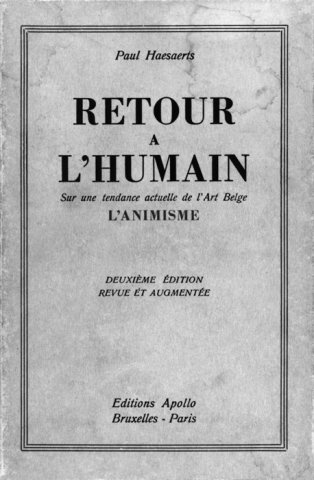
Paul Haesaerts includes the artist in his book Back to Humans - A trend of Belgian art. Animism.


Settles in Place Bossuet, Saint-Josse, Brussels.

1943

Wins the Brussels Award for Folk Art.

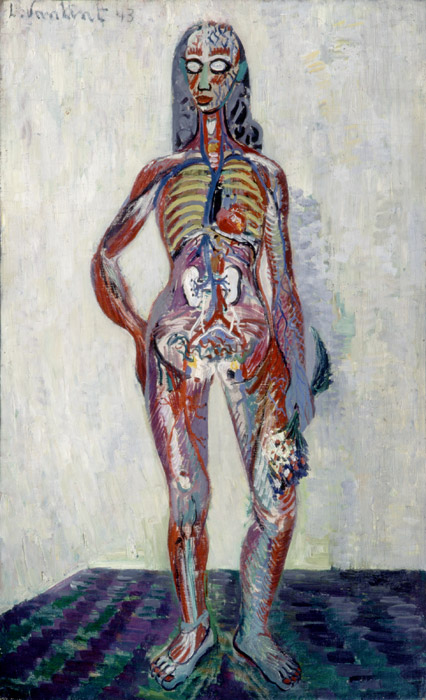
At the show Apport, he reveals The Flayed Body (L'Ecorché), a visually aggressive  painting that he subtitles Back to Human (Retour à l'humain), a challenge to the animism ideals of Paul Haesaerts.

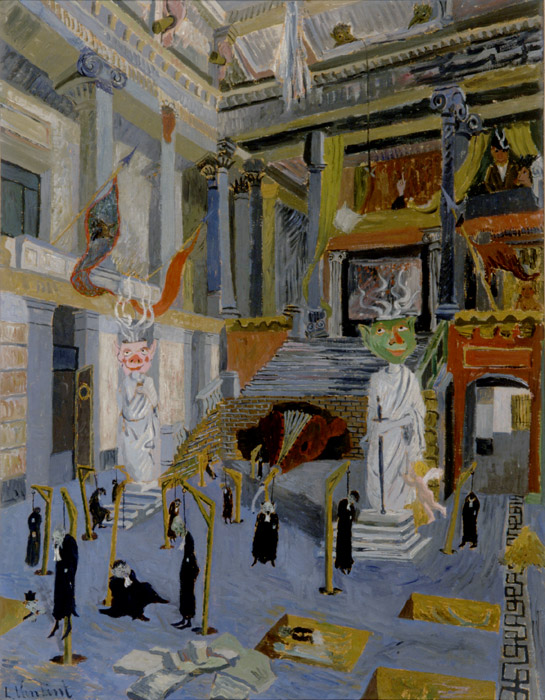
Painted a few paintings with a renewed energy, The Law : the scales of justice are flawed (Le Droit se balance ou la Justice bafouée) and The Millenary Polar Star (La Tramontane Millénaire).

1944

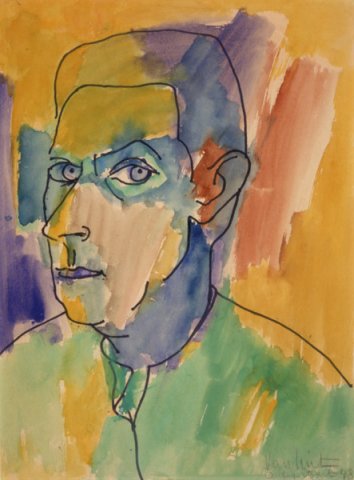
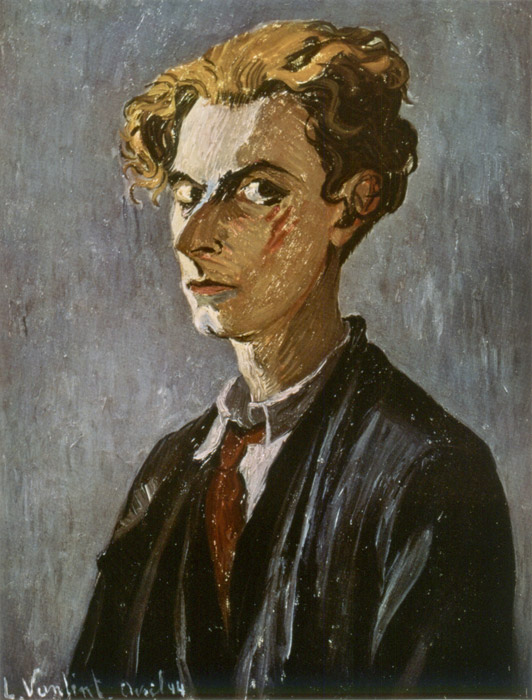
Creates the scenery for The Playboy of the Western World by John Synge for shows at the Palace of Fine Arts in Brussels. Painted his Self-portrait with a red tie (Autoportrait au col ouvert ou à la cravatte rouge) and his Blue interior (Intérieur bleu).

1945

Has an individual exhibition at the Palace of Fine Arts in Brussels and is invited to participate in the exhibition The Friends of Art (Les Compagnons de l’Art).

Co-found the group The Young Belgian Painters (La Jeune Peinture Belge), started by Robert-L. Delevoy, and represented his colleagues on the board of directors.

Participates with Gaston Bertrand and Marc Mendelson in the first exhibition of The Young Belgian Painters in Ostend.

Creates the scenery for The Soldier's Story by Ramuz / Stravinsky for shows at the Palace of Fine Arts in Brussels.

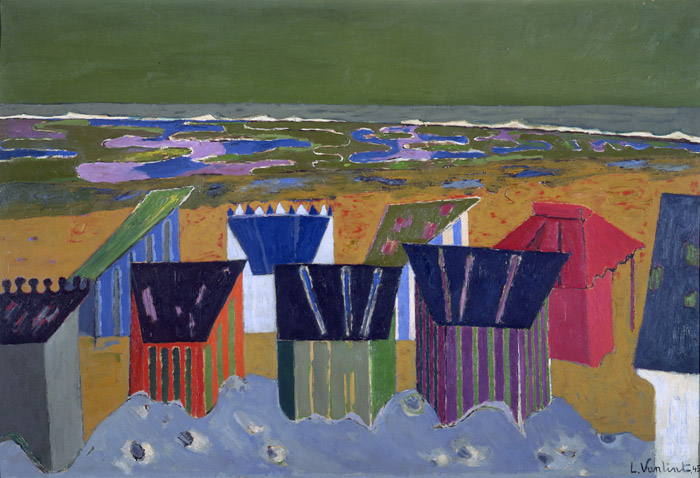
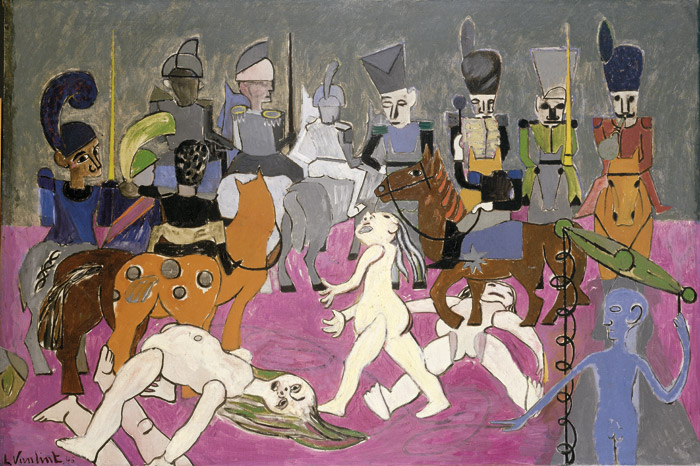
Painted the major canvas The cabins (Les cabines ou les tentes, Museum voor Current Kunst, Ghent) and Soldiers and dolls (Soldats et poupées, coll. Belfius Bank).

1951

Participates in the COBRA exhibitions in Rotterdam and Liege and the first Biennale of São Paulo.

The Belgian State dedicates to him a first monograph written by art critic Louis Leon Sosset.


Is the recipient of the Academy Picard in Brussels.

Personal exhibition in Amsterdam.

The painting Mineral vegetal animal is acquired by the Museum of Modern Art in Liège.

1952

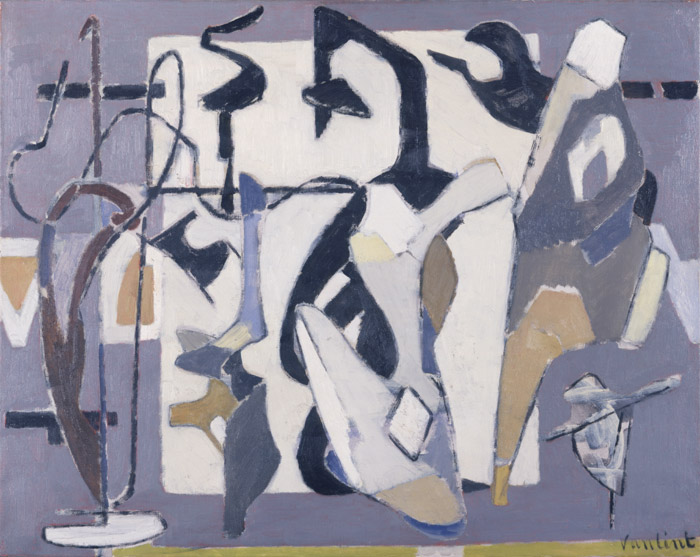
After a study of the shapes of musical instruments he receives the Award of Design at the International Exhibition of Lugano for his painting Musical composition (Composition musicale).

Joins the Belgian group Espace, which brings together artists, architects and decorators.


1953

Makes a decorative abstract scenery for the tavern The Canterbury in Brussels.

Moved to Armand Steurs Square in Saint-Josse.

Won the gold medal at the 2nd Biennial of painting in Menton.

1954-1956

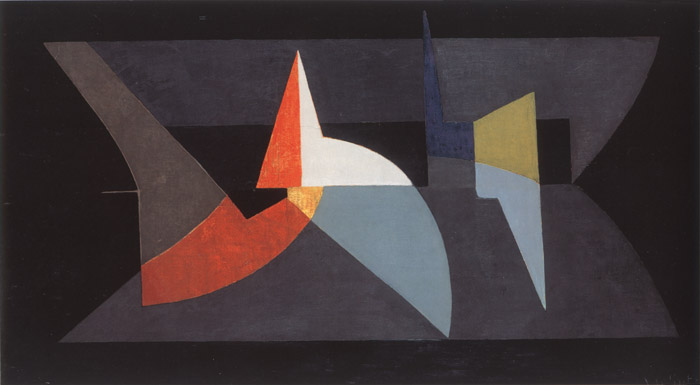
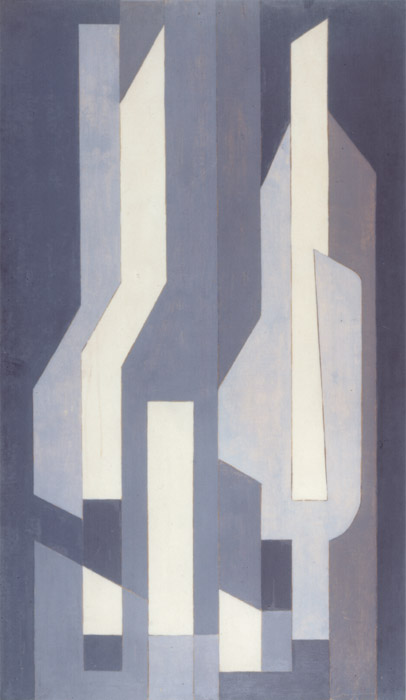
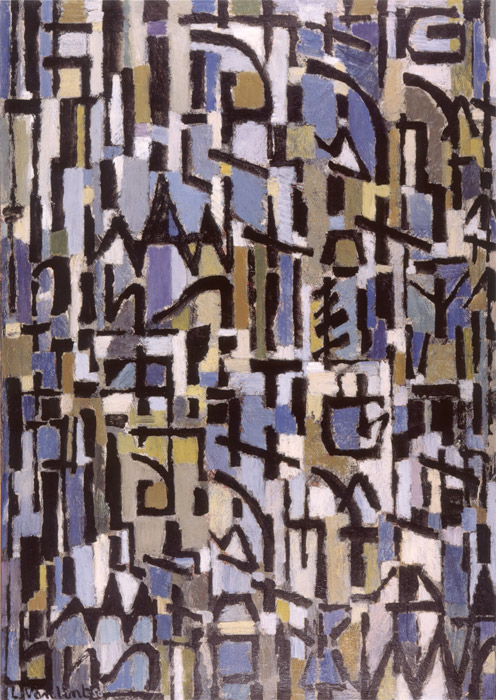
Changes his abstraction style to geometric compositions: Nocturnal anxiety (Inquiétude nocturne), a painting acquired in 1955 by the Royal Museums of Fine Arts of Belgium in Brussels, Collective portraits (Portraits collectifs), a painting aquired by the Belgian State, Interrupted contemplation (Recueillement interrompu), Municipal Museum of Ixelles.

Receives the Belgium Art Critics Award in Brussels.


1955

Creates a mural for the entrance to the Belgian pavilion at the Zagreb Exhibition.

1946

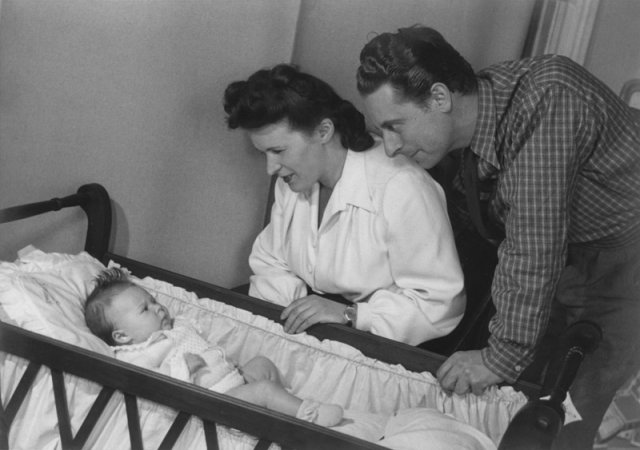
Birth of his daughter Martine.


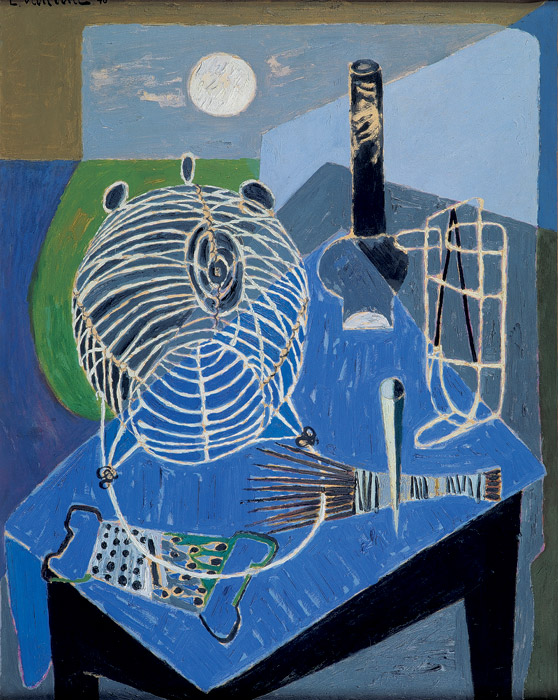
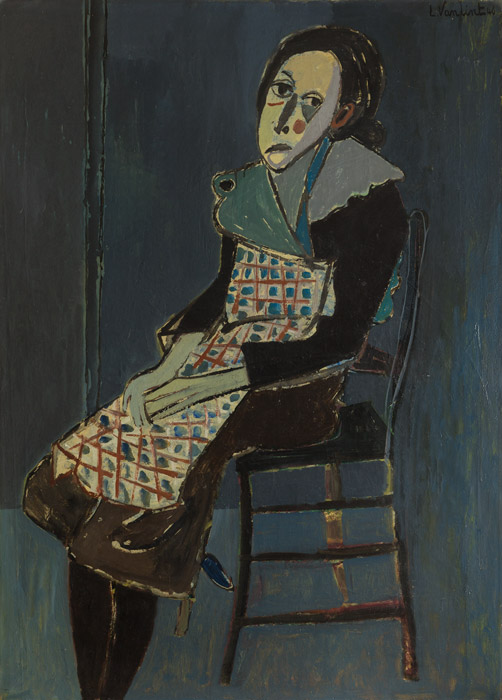
Is one of eight artists selected for the exhibition The Young Belgian Painters (La Jeune Peinture Belge) at the Galerie de France in Paris where he reveals Still life with basket and Portrait of my mother.

Robert Delevoy devotes a chapter entitled Louis Van Lint: the obsession for strangeness in his book The Young Belgian Painters.

1947

Individual exhibition at the Apollo Gallery in Brussels.

Is invited for the first time to participate in the Salon de Mai in Paris.

Participates in two major exhibitions of The Young Belgian Painters in Stockholm and in the Palace of Fine Arts in Brussels.


Death of his father and mother.

1948


Exhibits in the Venice Biennale as part of The Young Belgian Painters.

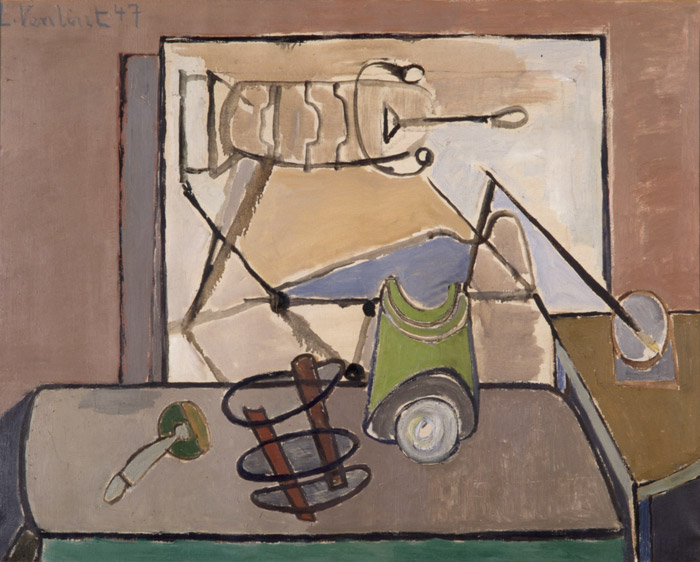
First acquisition of a work  by the Royal Museums of Fine Arts in Brussels Still life. Glass lamp, 1947.

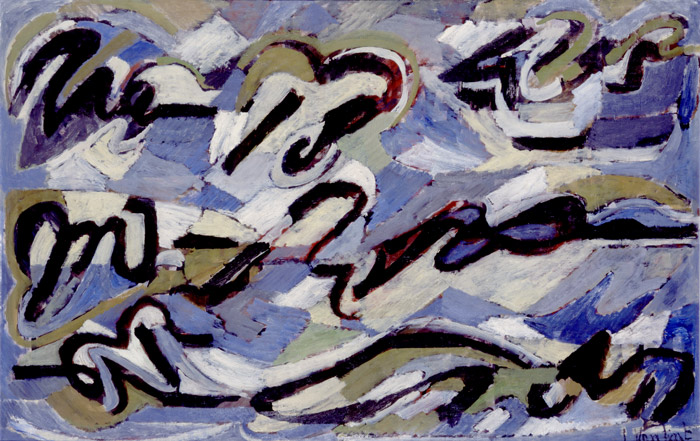
Beginning of his lyrical abstraction style of painting like Heaven, sea and earth.

Participates in an exhibition of Belgian watercolors and drawings at the Brooklyn Museum in New York which acquired the painting balconies and facades.

Discovers with emotion the work of of Paul Klee at the Palace of Fine Arts in Brussels.

1949

Participates in exhibitions with the COBRA group, launched by Christian Dotremont; where he influenced artists like Alechinsky.

Makes his magic lantern, a kinetic sculpture projecting abstract forms.

The following year, one of his lithographs appears in the COBRA magazine No. 6.

1950

He has solo exhibitions at the Palace of Fine Arts in Brussels and at the Galerie de Verneuil in Paris (also 1954).

He wins the International Prize for Painting in Santa Margherita Ligure, where he stays to visit the Italian Riviera.

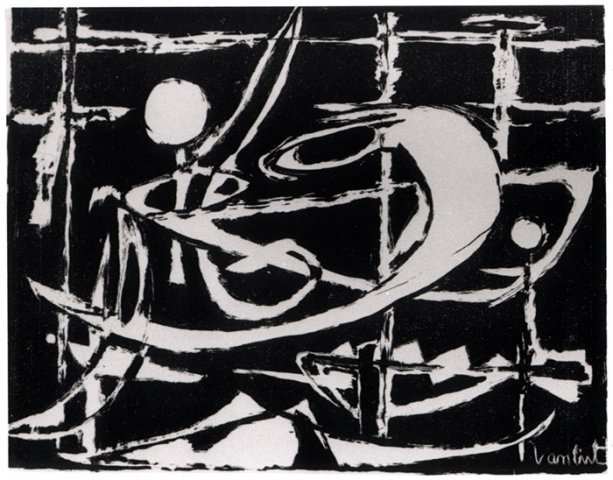
Painted a series of oil and watercolour abstracts and linear-character serials inspired by the scaffolding and windows of the Chartres Cathedral, including the painting Chartres, the first acquisition by the Royal Museum of Fine Arts in Antwerp.

Participated in the creation of the René Lust Fondation for awarding The Young Belgian Painters Prize.


1956

Is one of eight Belgian artists selected by the Shell company to illustrate the world of oil.

Is a guest of the Belgian pavilion at the XXVIII Venice Biennale.


1957

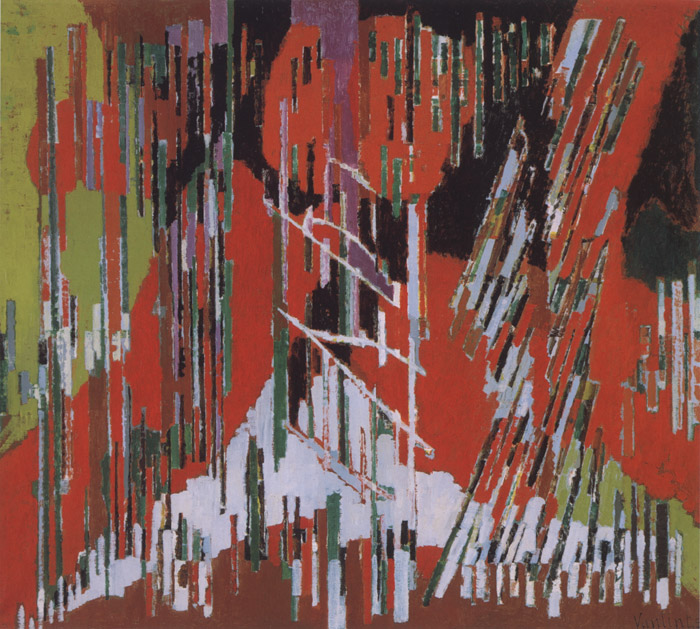
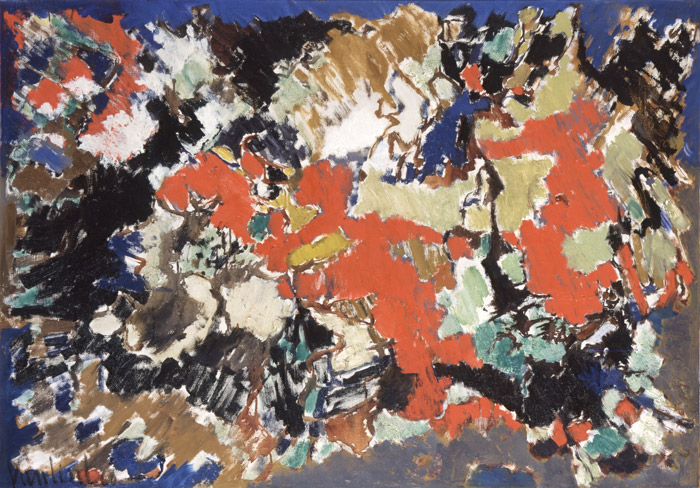
Happily returns to a more lyrical abstraction, again inspired by a subjective interpretation of the elements of nature: Great red composition (Grande composition rouge), acquired by the Royal Museums of Fine Arts of Belgium in Brussels in 1958, Nocturnal reflects (Reflets nocturnes) (Municipal Museum of Ixelles).

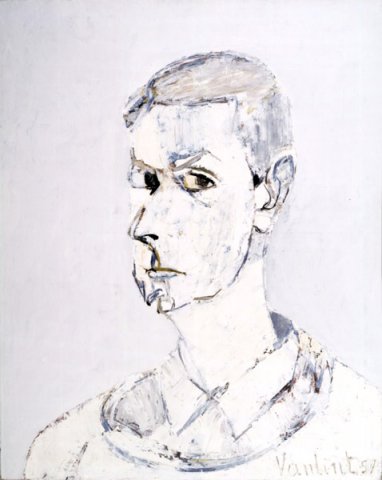
Painted Sea mirage (Mirage marin), a large painting acquired by the Center for Scientific and Nuclear Research of Mol, and his Self-portrait in white (Autoportrait en blanc).

The man is nervous, his style often indicates it and his self-portraits draw in profile a bird—a woodpecker perhaps—the eye vivid and the nose keen; this face, in life, is of an extreme mobility, the gaze passes from dream to question in less than the bat of an eye. Dream and acuteness, curve and straight, impulse and reflection: these antagonisms do not cancel each other out; shades of a temperament, one linking them together, a style choreographs them and they assert themselves references of a perspective.


1958

Is chosen as a juror for the exhibition of Belgian art at the Brussels World's Fair, and for the Rome Prize as well.

He is Nominated for an award from the Guggenheim Foundation, New York, during an international exhibition.

Awarded the Grand Prix de la Critique d'Art in Charleroi.

He has solo exhibitions at the Palace of Fine Arts in Brussels and Charleroi.

The curator of the Museum of Modern Art in Brussels, Francine-Claire Legrand, holds a conference at the Palace of Fine Arts in Charleroi on Van Lint and the joy of painting.

He paints Geological section (Coupe géologique) (Stedelijk Museum voor Current Kunst, Ghent).

Suffers a nervous breakdown for two years.

1959

A stay in Britain inspires a few paintings and watercolours, like Cumulus in Trégastel.

Has a personal exhibition at the Artistic and Literary circle in Ghent.

Leaves Saint-Josse and builds a house in Kraainem in the outskirts of Brussels.

1960

Is elected as a fellow of the Royal Academy of Belgium.

Wins the International Prize for painting Marzotto, Lugano.

Personal exhibition at the APIAW in Liege.

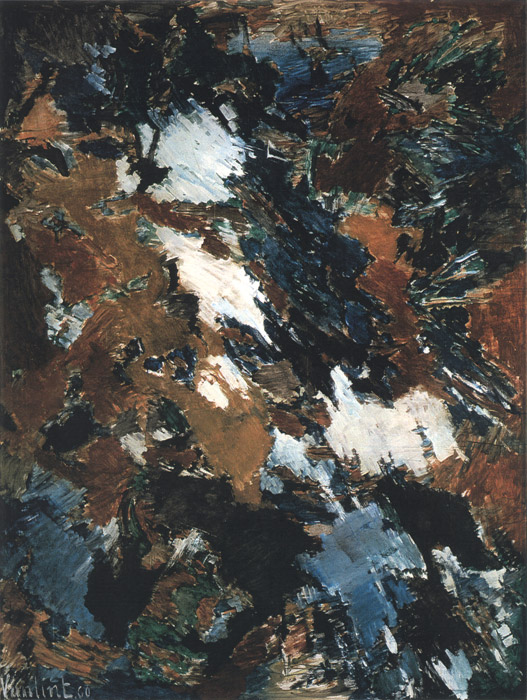
Paints Fall wilderness (Sauvagerie automnale) (Royal Museums of Fine Arts of Belgium, Brussels), and Seaweed (Algue marine) (Musée communal d'Ixelles, Brussels).

Subcategories